
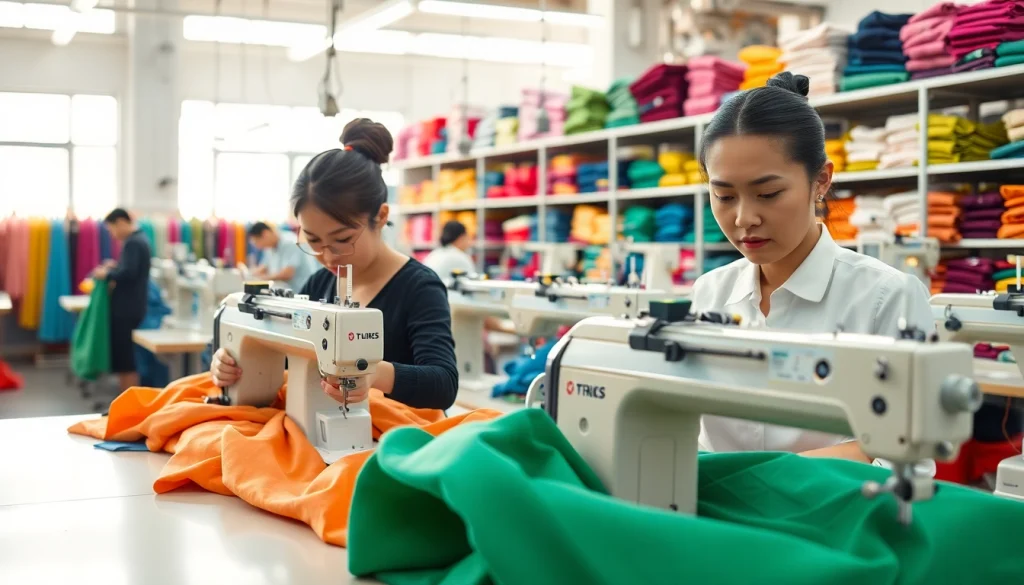

Understanding Apparel Manufacturer China
Apparel manufacturing in China plays a pivotal role in the global supply chain, facilitating the production of garments for various markets across the world. As businesses continue to seek cost-effective solutions without sacrificing quality, many turn to Apparel Manufacturer China for their needs. This article explores the complexities of apparel manufacturing in China, the processes involved, and the essential characteristics of reputable manufacturers.
Role and Importance in Global Supply Chain
Apparel manufacturers in China are integral to the global fashion and garment industry. They provide not only production capacity but also expertise in materials, techniques, and technologies that many brands rely on. The country is known for its expansive supply chain network, allowing for efficient sourcing of fabrics and materials, as well as a robust logistics framework. This interconnected system enables manufacturers to meet diverse consumer demands quickly and effectively.
Additionally, China’s manufacturers often have the flexibility to innovate rapidly, offering businesses the ability to respond to seasonal trends and changing consumer preferences at a speed that is often unmatched by manufacturers in other regions. In economic terms, the apparel sector contributes significantly to China’s GDP, making it a critical area for both domestic and international trade.
Overview of Apparel Manufacturing Processes
The apparel manufacturing process in China typically involves several key stages: design, sourcing, production, and distribution. Initially, designers work closely with manufacturers to develop prototypes using market research insights to shape product lines. Next, the sourcing stage involves identifying and procuring the appropriate fabrics and materials needed for production.
Once the materials are secured, the production phase begins, which includes cutting, sewing, and finishing garments. China’s advanced technology and skilled workforce facilitate high-quality production capabilities. Lastly, logistics come into play, with finished products prepared for shipment to various global destinations, entrusting logistic partners to deliver products to brands efficiently.
Key Characteristics of Reputable Manufacturers
When evaluating potential apparel manufacturers in China, certain characteristics signal reliability and quality. First, a reputable manufacturer should possess certifications such as ISO (International Organization for Standardization) and compliance with regulatory standards, which affirm their commitment to maintaining high levels of production quality and ethical practices.
Transparent communication is another hallmark of reliable manufacturers. They should provide detailed information about their processes, timelines, and costs, enabling brands to make informed decisions. Moreover, a solid track record of timely delivery and proven results in maintaining high-quality standards enhances a manufacturer’s reputation within the competitive market.
Finally, strong existing relationships with suppliers and a willingness to adapt to new technologies or sustainable practices also distinguish reputable manufacturers in the industry.
Choosing the Right Apparel Manufacturer China
Choosing the right apparel manufacturer in China is essential for ensuring your product’s success in the market. Factors like quality, cost, communication, and compliance must all be considered carefully to make an informed decision.
Factors Influencing Manufacturer Selection
When selecting an apparel manufacturer, several factors come into play, ranging from pricing models to minimum order quantities. Brands should assess how well a manufacturer aligns with their product portfolio and their target market. For example, a high-fashion brand might prioritize quality and craftsmanship over pricing, while a budget retailer may focus on cost-effectiveness and scalability.
Additionally, geographic location, cultural compatibility, and language barriers can influence the decision-making process. Manufacturers located in busy industrial hubs often have access to better resources and logistics, which can lead to quicker turnaround times and more efficient processes.
Evaluating Quality and Compliance Standards
Quality assessment is crucial when partnering with an apparel manufacturer. Brands should request samples to evaluate fabric quality, stitching techniques, and overall workmanship before committing to large orders. Reputable manufacturers often have rigorous quality control processes in place, including inspections at various production stages.
Compliance with international labor laws and environmental regulations is another critical aspect. Manufacturers who adhere to ethical labor practices not only contribute positively to the global supply chain, but they also safeguard a brand’s reputation by upholding standards that are increasingly valued by consumers.
Building Strong Manufacturer Relationships
Establishing a positive working relationship with your manufacturer can yield long-term benefits. Communication is key—clearly articulating your vision, objectives, and expectations can help avoid potential misunderstandings. Moreover, fostering a collaborative atmosphere encourages manufacturers to innovate and suggest improvements based on their extensive experience in the field.
Regular check-ins and visits to the manufacturing facility can also strengthen the relationship and ensure that both parties are aligned throughout the production process. By cultivating mutual trust and respect, brands can position themselves for successful product launches and sustained growth.
Challenges Faced by Apparel Manufacturer China
While there are many advantages to working with apparel manufacturers in China, several challenges also pose risks to the production process that must be navigated effectively.
Meeting Quality Standards and Market Demands
One of the primary challenges for apparel manufacturers in China is meeting increasingly stringent quality standards imposed by global markets. Fast-fashion cycles push manufacturers to adapt quickly to changing consumer preferences while maintaining a consistent level of quality. This balancing act requires efficient production systems and vigilant quality control procedures.
Additionally, as consumers become more environmentally conscious, manufacturers face pressure to source sustainable materials and implement eco-friendly practices—an endeavor that often requires significant investments in new technologies and training.
Adapting to Environmental Regulations
With global attention on environmental protection, apparel manufacturers in China must conform to stricter environmental regulations imposed by both local and international bodies. This transition can be challenging, especially for older factories that might not be equipped to meet new standards.
Incorporating sustainable practices into manufacturing processes, such as reducing waste and using eco-friendly materials, is becoming critical, requiring manufacturers to innovate continuously. Those unable or unwilling to adapt risk falling behind competitors who embrace sustainability as a market differentiator.
Managing Supply Chain Disruptions
Supply chain management is another critical challenge faced by apparel manufacturers in China. From raw material shortages to logistics disruptions, these factors can impact production timelines. Global events, such as geopolitical tensions or pandemics, also contribute to unpredictability in supply chains.
Building resilient supply chain strategies is essential to mitigate risks. This may include diversifying suppliers, investing in local sourcing, or adopting advanced technology for real-time tracking and monitoring to enable quicker response times when disruptions occur.
Best Practices for Collaborating with Apparel Manufacturer China
To foster productive and successful partnerships with apparel manufacturers in China, brands should consider implementing several best practices that prioritize communication, timelines, and quality monitoring.
Communicating Your Vision and Goals
Effective collaboration begins with clear communication of your brand’s vision and goals. Presenting a detailed project brief to the manufacturer can set the groundwork for the entire production process. This brief should include specifications regarding materials, desired quality levels, timelines, and final product expectations. Establish a feedback loop for prompt responses, aiding in swift adjustments as needed.
Ensuring Efficient Production Timelines
To maintain a smooth production flow, brands should agree on a realistic timeline that accounts for potential delays and reasonable lead times. Utilize tools such as Gantt charts or project management software to track each stage of production and ensure everyone involved understands their responsibilities and timelines clearly.
Regularly revisiting the project timeline and having contingency plans in place can help navigate any unforeseen challenges that may arise during production.
Monitoring Production Quality Effectively
Quality control should be an ongoing process throughout the production cycle. Brands should implement regular inspections, both during the manufacturing process and upon completion of the batch. Using quality control checklists and independent inspectors can help ensure products remain within acceptable standards before shipment. This proactive approach safeguards brand reputation and minimizes returns.
Looking Ahead: Trends in Apparel Manufacturer China
As the apparel manufacturing landscape continues to evolve, brands should stay informed of emerging trends that shape the industry’s future.
Incorporating Sustainable Practices
The move toward sustainability is not just a trend but a necessity in today’s market. Apparel manufacturers in China are increasingly adopting eco-friendly practices, such as using organic or recycled materials and reducing carbon footprints. Brands that prioritize partnerships with sustainable manufacturers can attract ethically conscious consumers and differentiate themselves in competitive markets.
Leveraging Technology in Manufacturing
The integration of technology into apparel manufacturing processes has the potential to revolutionize production. Innovations such as AI-driven design tools, automated sewing machines, and blockchain for supply chain transparency are on the rise. Embracing these technologies can enhance operational efficiency, reduce costs, and improve accuracy in production, leading to better overall outcomes.
Responding to Changing Consumer Preferences
Consumer preferences are continually shifting, necessitating agility from apparel manufacturers. Brands must stay ahead by closely monitoring market trends, incorporating customer feedback into product development, and being willing to pivot. This flexibility can ensure that product offerings remain relevant and appealing to dynamic market demands.
FAQs
What should I look for in an apparel manufacturer?
Key factors include quality certifications, communication reliability, production capacity, and a track record of timely delivery. It’s also essential to ensure compliance with labor and environmental laws.
How can I ensure quality control with my manufacturer?
Implement regular inspections during and after production, utilize quality checklists, and consider hiring independent inspectors to ensure that products meet specified standards before shipment.
What are the benefits of working with manufacturers in China?
China offers competitive pricing, a vast network of suppliers, advanced manufacturing technology, and the ability to scale production quickly, making it a primary choice for many global brands.
How do I handle delays during production?
Establish a realistic timeline and build contingency plans. Regularly communicate with your manufacturer to track progress and address any delays proactively.
What role does sustainability play in apparel manufacturing today?
Sustainability has become crucial as consumers demand eco-friendly practices. Manufacturers are increasingly adopting sustainable practices, using organic materials, and reducing waste to align with market expectations.