
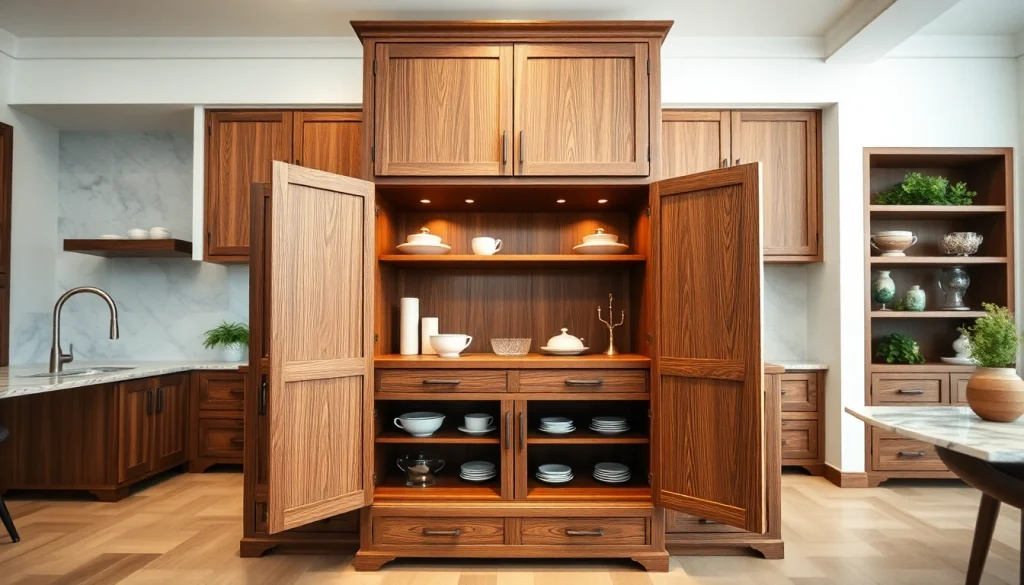

Understanding Custom Cabinet Options
In the world of interior design, few elements are as essential and impactful as cabinetry. Custom cabinets allow homeowners and designers the freedom to tailor storage solutions to their specific needs and aesthetic preferences. Emphasizing functionality, style, and craftsmanship, these bespoke pieces can elevate any space. If you’re considering adding custom cabinet options to your home, it’s vital to explore the variety available to you. This section delves into the various types, materials, and design styles associated with custom cabinetry.
Types of Custom Cabinets
Custom cabinets can be categorized based on their design, functionality, and application within the home. Each type serves a unique purpose while complementing various lifestyles and spaces.
- Base Cabinets: These are installed directly on the floor and provide storage for household items. They usually support a countertop surface and are found in kitchens and bathrooms.
- Wall Cabinets: Also known as upper cabinets, these are mounted on the wall and are perfect for maximizing vertical storage, ideal for utilizing kitchen and living room spaces effectively.
- Tall Cabinets: These cabinets extend from the floor to the ceiling and are often used for storing brooms, mops, or food in a pantry setting.
- Corner Cabinets: Designed to make the best use of otherwise wasted corner space, these cabinets can be tricky but highly functional.
- Built-in Cabinets: These are designed to fit an entire wall or specific area and incorporate various functions like bookshelves, entertainment centers, and more.
Materials Used for Custom Cabinets
The choice of materials for custom cabinets significantly affects durability, appearance, and cost. Various options are available, each with its benefits and drawbacks:
- Solid Wood: Known for its robustness and timeless appeal, solid wood offers a high-end look and can be stained or painted to fit any style.
- Plywood: A cost-effective alternative to solid wood, plywood is made from layers of wood veneer and is stable, making it resistant to warping.
- MDF (Medium-Density Fiberboard): This engineered wood product is smooth, making it perfect for painting, ideal for modern styles.
- Particleboard: Often used for lower-cost cabinetry, it’s lightweight but less durable and prone to moisture damage.
- Laminate: Laminate cabinets offer a wide range of colors and finishes, allowing for easy maintenance and cleanup.
Design Styles for Custom Cabinets
The aesthetic of your custom cabinets should harmonize with the overall design scheme of your home. Here are popular design styles you might consider:
- Traditional: Featuring ornate details and rich finishes, traditional styled cabinets often include raised-panel doors.
- Contemporary: Clean lines and minimalist hardware define contemporary cabinetry, often using flat-panel doors in neutral colors.
- Rustic: Characterized by a natural look, rustic cabinets typically use reclaimed wood or distressed finishes.
- Shaker: Recognized for its simplicity, the Shaker style is versatile and can fit any home decor.
- Industrial: Incorporating metals and wood, industrial cabinets feature a utilitarian style with an urban edge.
Benefits of Choosing Custom Cabinets
Opting for custom cabinets offers numerous advantages that standard cabinetry may not provide. Here’s a closer look at the primary benefits:
Maximizing Space Efficiency
One of the standout features of custom cabinets is their ability to maximize space efficiently. With tailored designs, every nook and cranny can be utilized, making them ideal for homes with limited square footage. For example, custom corner cabinets can fit snugly into tight spaces, ensuring that no area is wasted. This strategic approach allows the homeowner to optimize storage and maintain an organized environment.
Personalized Aesthetic Appeal
The customization process allows you to achieve a specific aesthetic designed to reflect your personal style. Whether you prefer the elegance of traditional wood grains or the sleek finish of contemporary materials, custom cabinets can be crafted to meet your needs. Combining different finishes, colors, and hardware, you can create a cohesive look throughout your home, making it uniquely yours.
Long-Term Durability and Value
Investing in high-quality custom cabinets means you are likely to see enhanced longevity and value. Crafted from durable materials, custom cabinets can stand the test of time, unlike cheaper, mass-produced options. When it comes to selling your home, well-made custom cabinetry can significantly enhance the property’s value, making it more appealing to potential buyers.
How to Design Your Custom Cabinet
Designing custom cabinets allows you to achieve both functionality and aesthetic appeal in your spaces. Here’s a step-by-step guide to help you through the design process:
Planning Your Design Layout
The first step in designing custom cabinets involves carefully planning your layout. Assess your space and decide where cabinets will fit best. Draw a floor plan and think about how the layout will affect workflow. For kitchens, consider the kitchen triangle, which connects the stove, sink, and refrigerator, ensuring a seamless cooking experience.
Choosing Colors and Finishes
Color choices and finishes play a significant role in the overall aesthetic of your cabinets. Keep in mind factors like existing decor, lighting, and personal preference. Light colors can make spaces feel larger, whereas darker colors can add a rich depth. Consider matte or glossy finishes based on the maintenance you’re prepared for, as glossy surfaces can show fingerprints but are easier to clean.
Incorporating Unique Features
Custom cabinets offer the luxury of including unique features tailored to your needs. Think about built-in lighting, pull-out shelves, soft-close hinges, and integrated appliances. These enhancements not only improve functionality but also elevate the overall user experience.
Installation Process for Custom Cabinet
The installation of custom cabinets requires meticulous planning and execution to ensure a flawless finish. Here’s how the process typically unfolds:
Preparation and Measurement
Before installation can begin, accurate measurements must be taken. This involves assessing the area where cabinets will be placed and making any necessary adjustments to the layout. It’s crucial to ensure that all cabinets fit properly to avoid issues during installation.
Hiring Professional Installers vs. DIY
Many homeowners face a decision when it comes to the installation of custom cabinets: do it themselves or hire professionals. While DIY installation can save money, it requires a good understanding of carpentry. Hiring professionals ensures that the job is completed correctly, but it may cost more. Evaluate your skill level and the complexity of your design before making a choice.
Final Adjustments and Maintenance
After installation, final adjustments may be necessary to ensure that doors and drawers function smoothly. Regular maintenance is crucial to keeping your cabinets looking their best. This includes cleaning surfaces with mild detergents and addressing any signs of wear promptly to extend the lifespan of your cabinetry.
FAQs About Custom Cabinet
What is a custom cabinet?
A custom cabinet is a bespoke storage solution designed and built to fit specific dimensions, preferences, and styles of individual spaces, allowing for personalized functionality and aesthetics.
How long does it take to build a custom cabinet?
The timeline for building custom cabinets can vary, typically ranging from a few weeks to several months, depending on design complexity, materials chosen, and the workload of the manufacturer.
Can I customize the dimensions of my cabinet?
Yes, custom cabinets are designed to meet your unique specifications, allowing you to adjust dimensions to maximize space and fit any area in your home.
Are custom cabinets more expensive?
Custom cabinets usually have a higher upfront cost compared to stock options, but they offer long-term value through durability, increased home value, and tailored designs.
How do I maintain my custom cabinet?
Maintain custom cabinets by regularly cleaning with mild soap and soft cloths, avoiding harsh chemicals, and ensuring any wear or damage is promptly addressed to prolong their lifespan.