
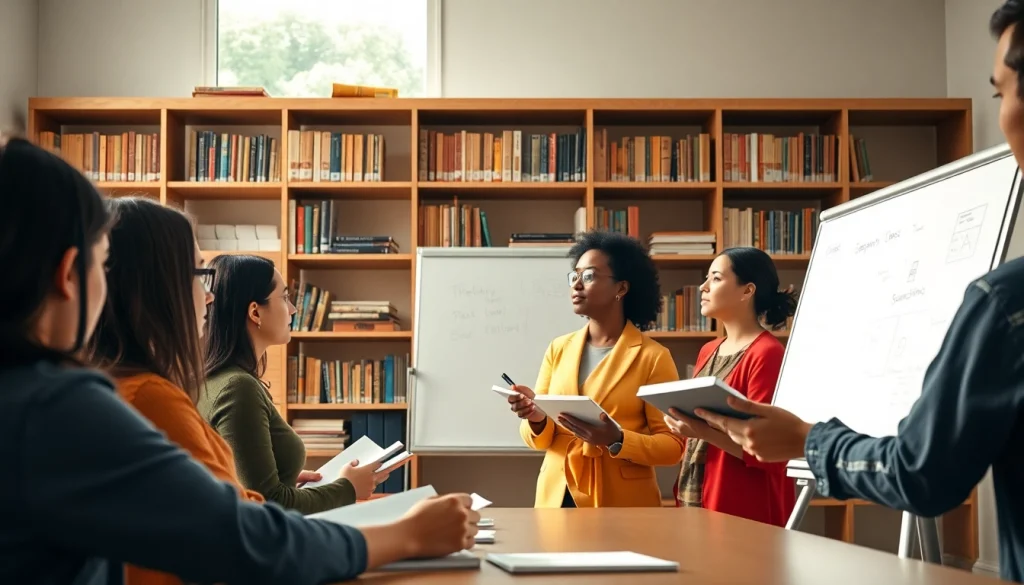

Engaging learners in educational environments is a fundamental aspect of teaching that directly influences a student’s success. Strategies tailored to the specific needs of learners can cultivate an atmosphere that promotes participation and commitment. In this comprehensive guide, we will explore actionable techniques and best practices on How to effectively engage learners, ensuring that educational experiences are not merely informative but transformative.
Understanding Learner Needs
Identifying Different Learning Styles
Every learner approaches education with unique preferences. Understanding these varied learning styles—visual, auditory, and kinesthetic—can significantly enhance teaching methods. Visual learners absorb information more efficiently through diagrams, charts, and written instructions, while auditory learners thrive on discussions and lectures. Kinesthetic learners need hands-on experiences to truly grasp concepts. Educators should consider integrating diverse materials and activities that cater to these styles, thereby maximizing engagement.
Creating Inclusive Learning Environments
Inclusivity in the classroom is crucial for fostering a sense of belonging among students. This involves acknowledging diverse backgrounds and integrating various cultural perspectives into course materials. Providing accommodations, such as extra time for assessments or alternate formats of learning resources, can help ensure that every student has an equal opportunity to succeed. Moreover, fostering open communication allows learners to express their needs more freely, creating a more engaging atmosphere.
Feedback Mechanisms for Improvement
Effective feedback is essential for both learners and educators. Regular feedback mechanisms, such as surveys or one-on-one meetings, enable instructors to understand student needs better and adjust their teaching practices accordingly. Incorporating constructive feedback in real-time not only helps learners feel valued but also enhances their learning experience by addressing specific areas for improvement.
Effective Teaching Strategies
Interactive Learning Techniques
Interactive learning techniques, such as group discussions, debates, and simulations, significantly increase learner engagement. These methods encourage active participation and allow students to collaborate, thereby deepening their understanding of concepts. Educators should create opportunities for students to work together in problem-solving scenarios or peer teaching exercises, fostering teamwork and communication.
Utilizing Technology in Education
The integration of technology in educational settings opens up new avenues for engagement. Tools like interactive whiteboards, educational software, and online platforms facilitate an immersive learning environment. Additionally, technology can help differentiate instruction, allowing students to learn at their own pace and according to their specific needs. Employing multimedia resources, such as video lessons or virtual reality experiences, can also cater to various learning styles and keep students interested.
Creating Engaging Lesson Plans
Well-structured lesson plans that incorporate various teaching strategies can significantly improve student engagement. Begin by outlining clear objectives that align with curriculum standards. Incorporate diverse activities that cater to different learning preferences and include assessments that encourage participation. Utilizing thematic units can also make lessons more engaging by connecting multiple subjects and real-world applications, creating a cohesive learning experience.
Measuring Learner Engagement
Defining Engagement Metrics
Establishing clear metrics to assess learner engagement is critical. Metrics might include attendance rates, participation in discussions, completion of assignments, and performance on assessments. Each of these factors provides insight into how engaged students are with the material. It’s also useful to track qualitative feedback from students about their learning experiences to gain a more profound understanding of engagement levels.
Collecting and Analyzing Data
Collecting data on engagement metrics is essential for continuous improvement. This could involve qualitative methods like student feedback or quantitative methods such as performance analytics. Teachers can utilize surveys or digital platforms that automatically gather and analyze data related to student involvement. By identifying trends within this data, educators can shift teaching approaches to enhance engagement effectively.
Adjusting Approaches Based on Insights
Adjusting teaching strategies based on insights gained from engagement metrics is crucial for fostering a responsive learning environment. Educators should be willing to adapt lessons based on feedback and data analysis. This ongoing cycle of assessment and refinement not only helps maintain student interest but also ensures that teaching practices remain effective and relevant to learners’ needs.
Challenges in Engaging Learners
Addressing Distractions in the Classroom
Distractions can significantly hinder engagement and learning. Educators should incorporate strategies to minimize distractions, such as structured classroom management techniques or designated quiet periods for focused work. Creating a respectful, inclusive environment where students are encouraged to stay on task is vital. Additionally, utilizing engaging activities that capture attention can help draw students back into learning.
Overcoming Resistance to Participation
Some students may resist participating due to fear of judgment or lack of confidence. To combat this, educators should create a safe space for students to express themselves without fear. This might involve incorporating icebreakers or team-building exercises that foster trust among classmates. Encouraging small group discussions before whole-class contributions can also help students build confidence and feel more comfortable participating.
Balancing Different Skill Levels
In any classroom, students will exhibit varying skill levels, which can pose a challenge to engagement. Differentiated instruction is key to addressing this issue. Educators can provide tiered assignments that allow students to work at their own pace and level. Additionally, pairing stronger students with those who may need extra support can create collaborative learning opportunities while ensuring that all learners remain engaged and supported.
Best Practices and Examples
Case Studies of Successful Engagement
Examining case studies from various educational settings can provide insight into effective engagement practices. For instance, a school that implemented project-based learning reported improved student motivation and collaboration. This method emphasized hands-on activities and real-life applications, which made learning more relevant to students. Highlighting such examples serves as inspiration for educators looking to enhance engagement in their classrooms.
Continuous Professional Development
Educators should prioritize continuous professional development focused on the latest engagement strategies and teaching technologies. Participating in workshops, webinars, and peer observations can foster new ideas and techniques that improve student engagement. Additionally, collaborating with colleagues to share successful strategies can create a supportive network that enhances teaching practices collectively.
Building a Supportive Learning Community
Creating a supportive learning community within the classroom and the broader school context can significantly enhance engagement. This involves fostering relationships among students, teachers, and families. Regular communication with families about student progress and involving them in school events can build a sense of community support. Establishing mentorship programs or peer support groups can also encourage connections that boost student motivation and engagement.
Frequently Asked Questions
What are different learning styles?
Different learning styles include visual, auditory, and kinesthetic. Each requires tailored approaches for effective understanding, helping teachers meet diverse student needs.
How can technology enhance engagement?
Technology enhances engagement through interactive tools, online resources, and multimedia presentations that make learning more accessible and enjoyable for students.
What metrics can measure learner engagement?
Metrics include participation rates, feedback scores, and performance on assessments. These provide insights into learner involvement and areas for improvement.
How do I create an inclusive environment?
Create an inclusive environment by recognizing diverse backgrounds, providing necessary accommodations, and fostering open communication that respects every learner.
Can engagement strategies be adjusted over time?
Yes, engagement strategies should be regularly assessed and adjusted based on student feedback and performance data, ensuring approaches remain effective.